7 hr 30 min
Ronda and Wine Country Day Trip from Marbella
- Expert local guide
- Small group
- Skip-the-line access
- Free cancellation
Ronda Wine Tour From Marbella — Guided Vineyard Visits & Tastings
Mountain vineyards above the gorge, white villages and century-old cellars in a single day
Compare fares, pick the fit — all bookings are mobile-voucher and eligible for free cancellation where shown.
7 hr 30 min
3 hr
2 hr 30 min
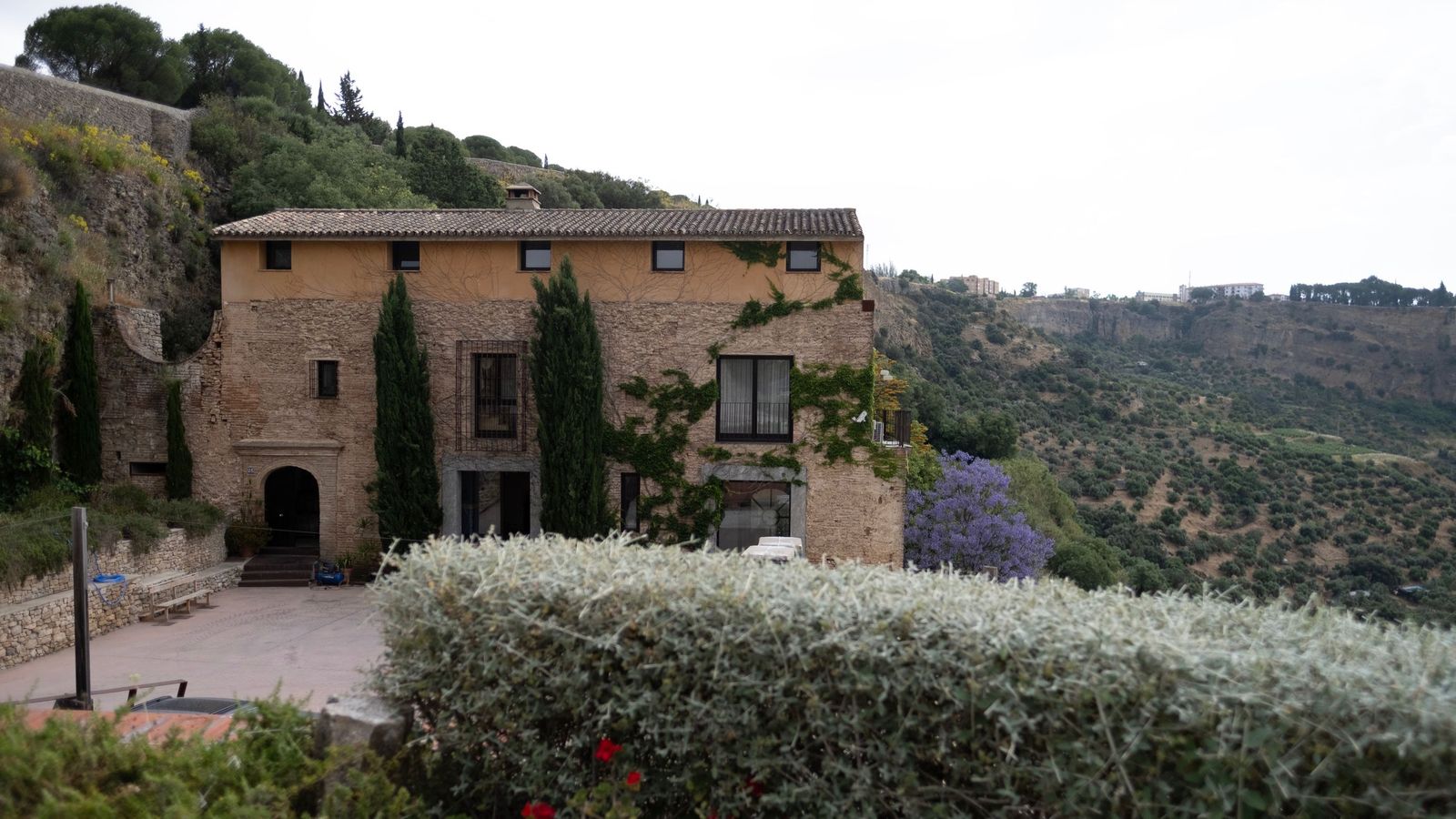
Selecting the right ticket for your ronda wine tour from marbella ensures a seamless experience exploring the historic Trinitarian convent and vineyards. Visitors can choose between a standard guided tasting or a comprehensive visit including local delicacies, depending on their interest in this Ronda landmark.
|
Top pick Standard Visit Guided Tour & Tasting |
Full Experience Tour, Tasting & Tapas | |
|---|---|---|
| Entrance fee | 25 EUR | ~45 EUR |
| Tour type | Guided group tour | Cellar tour with tasting |
| Inclusions | Winery tour & tasting | Winery, 3 wines, food |
| Booking status | Pre-booked required | Pre-booked required |
| Wait time | Scheduled slots | Scheduled slots |
| Best for | First-time visitors | Deep-dive enthusiasts |
| See tickets & prices |
Verdict: For the best ronda wine tour from marbella tickets, choose the Standard Visit if you seek a foundational tasting, or the Full Experience to better enjoy the regional pairings.
Worth it for wine enthusiasts and scenic escape seekers
A ronda wine tour from marbella justifies the 90-minute journey inland with access to high-altitude vineyards that produce wines impossible to replicate on the coast. The 25 EUR minimum entry at estates like Descalzos Viejos covers guided tastings of Ronda's distinctive terroir—grown at 750 meters above sea level where cool nights and chalky soils yield complex reds and aromatic whites. Day trips from Marbella typically bundle winery visits with Old Town exploration, offering better value than booking transport and tastings separately. The logistics favor organized tours: narrow mountain roads and limited parking at boutique bodegas make self-driving less appealing. For coastal visitors wanting more than beach days, the combination of wine education, dramatic mountain scenery, and historic architecture delivers a full-day experience. Ronda wine tours work best for travelers who appreciate terroir-driven wines and aren't simply ticking off a celebrity destination. Skip it if you're indifferent to wine; the tasting is the core value, not a side feature.
Bottom line: The terroir and scenery justify the journey for wine lovers, but casual sippers should prioritize Marbella's beachfront over the mountain detour.
While the winery experience offers an intimate look at Andalusian viticulture, the historic city center provides a broader immersion into Ronda's dramatic architecture and deep-rooted heritage.
|
Top pick Winery Tour |
City Sightseeing | |
|---|---|---|
| Focus | Viticulture and tasting | Landmarks and monuments |
| Origin | Marbella | Marbella |
| Duration | 4–6 hours | 5–7 hours |
| Transport | Private vehicle | Bus or private transfer |
| Accessibility | Moderate | High intensity walking |
| Seasonality | Year-round | Year-round |
| See tickets & prices |
Verdict: Choose the winery tour if you seek a relaxed, sensory journey through local vineyards, or opt for city sightseeing when purchasing ronda wine tour from marbella tickets to combine cultural exploration with your ronda wine tour from marbella tour for a comprehensive day out with these ronda wine tour from marbella tours.
Hand-picked experiences loved by thousands of travelers
11 hours
Free Cancellation
Discover two stunning Andalusian white villages in one day with guided tours and scenic mountain views
1.5 hours
Free Cancellation
Glide across Mediterranean waters aboard a spacious catamaran as the sun dips below Marbella's coastline
8 hours
Free Cancellation
Full-day coastal adventure through Andalusia's whitewashed villages, Mediterranean beaches, and luxury marinas
3 hours
Free Cancellation
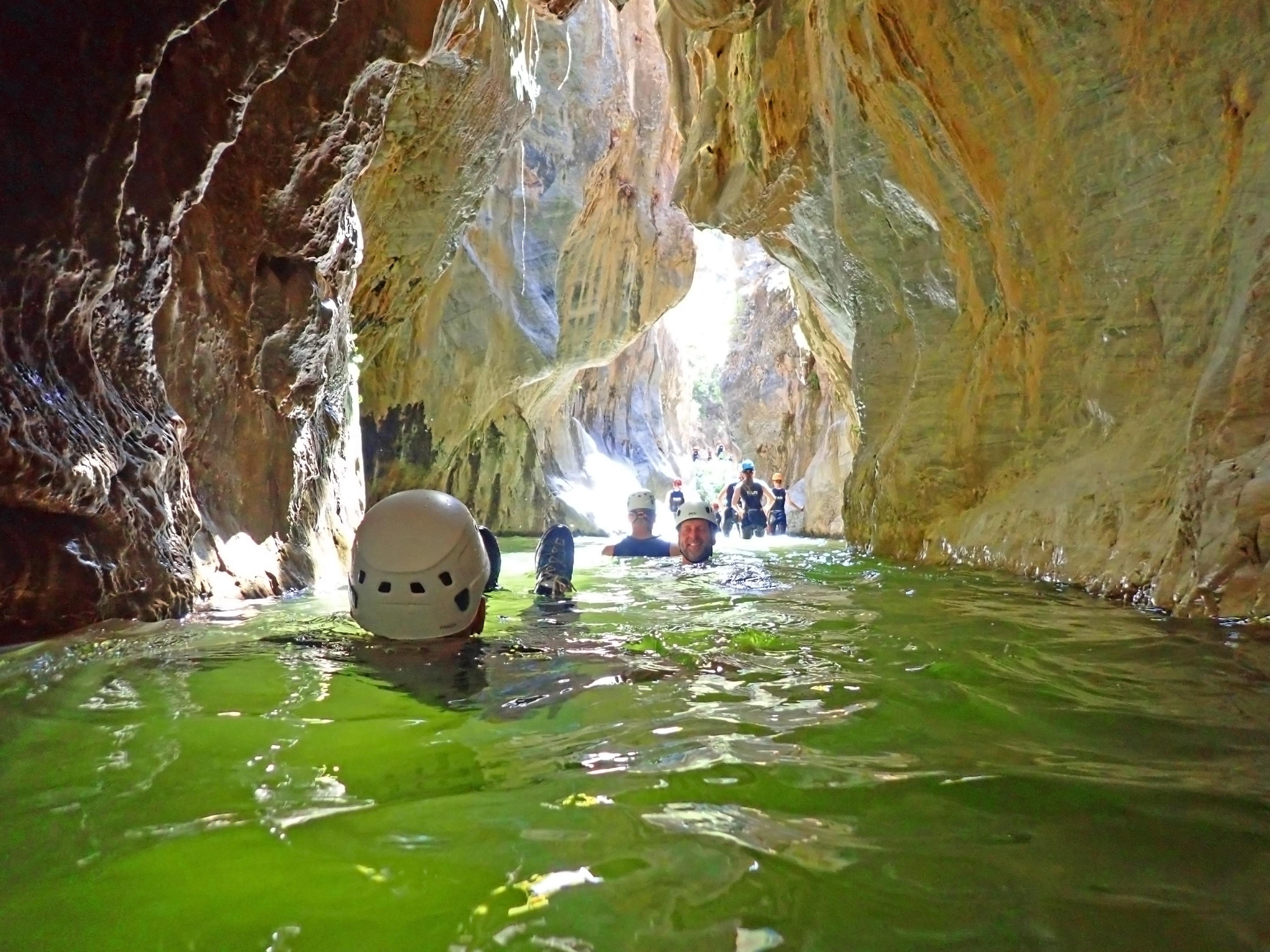
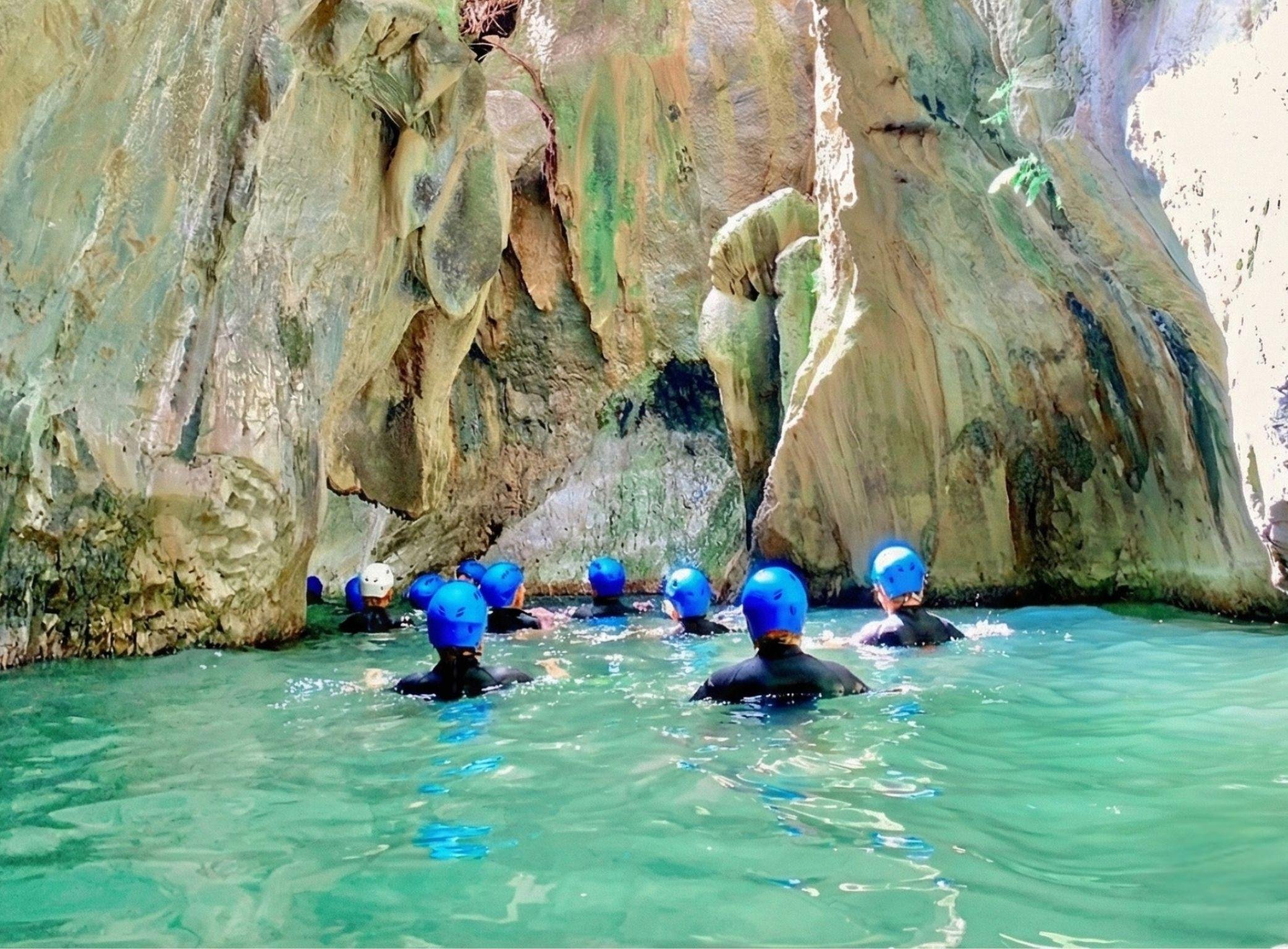
Navigate stunning gorges with jumps, rappels, and natural slides on this thrilling water adventure
3 hours
Free Cancellation
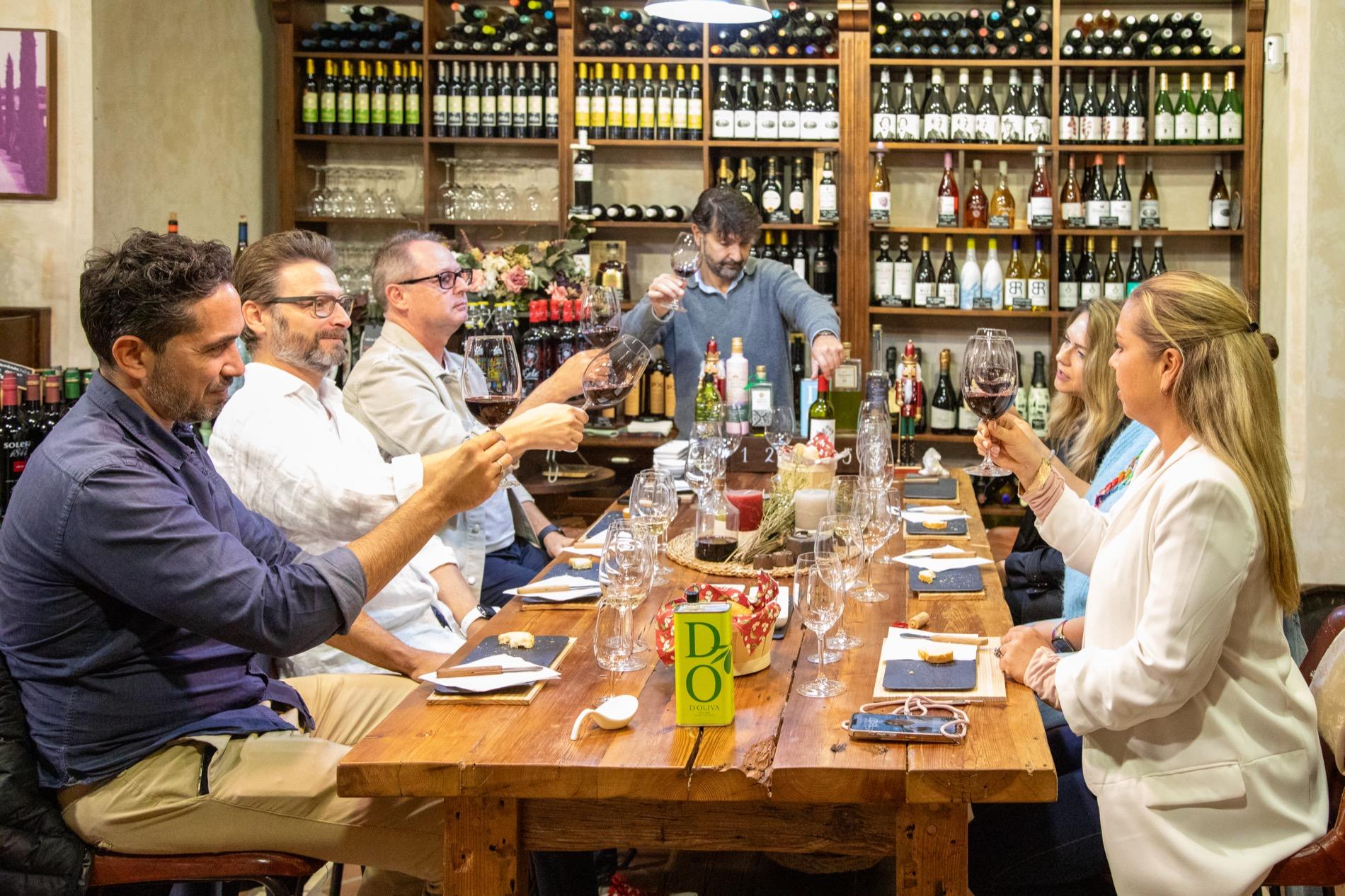
Explore historic Marbella with a local guide, then savor 12 premium olive oils and 4 regional wines
1 hour
Free Cancellation
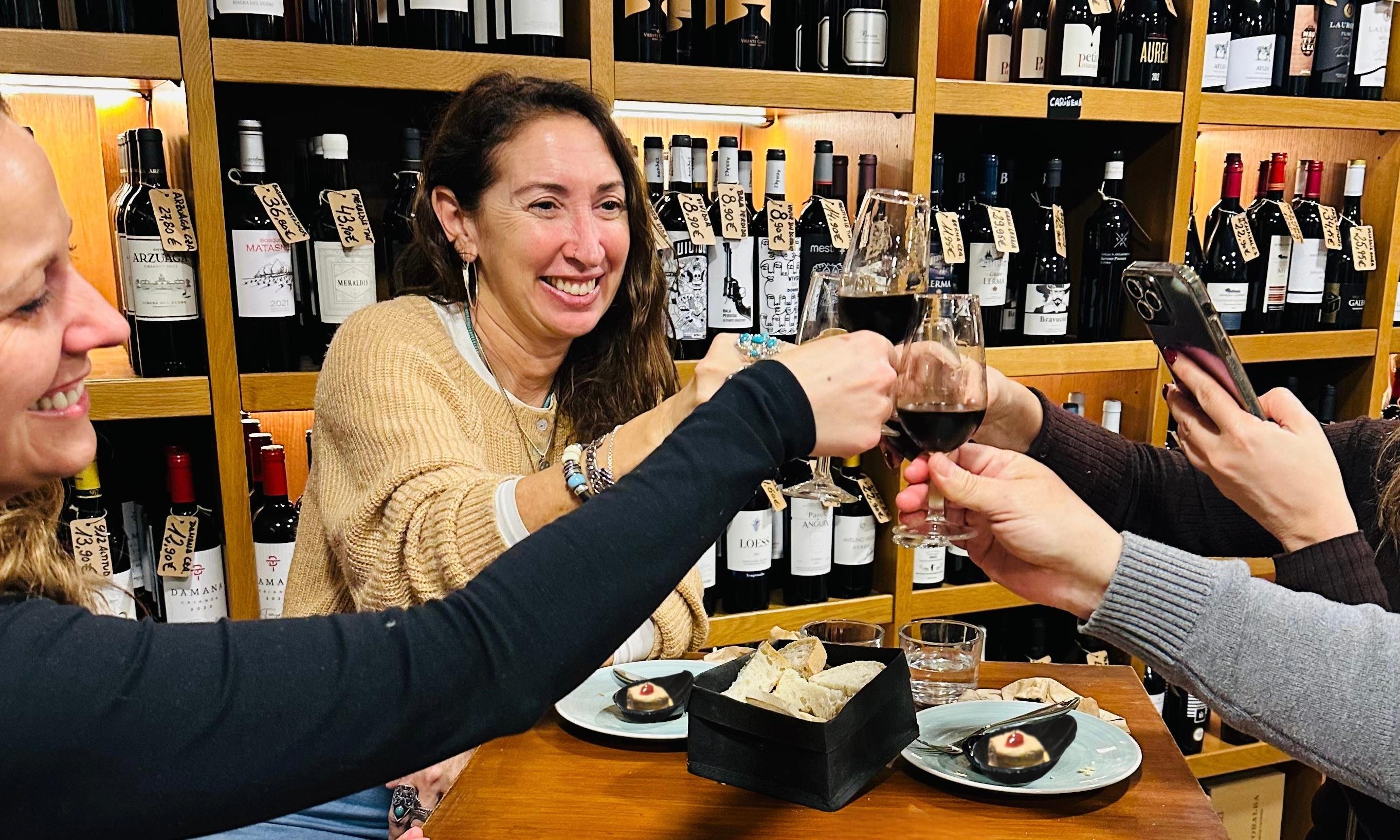
Discover Spanish wines through a guided tasting paired with Iberian ham and cheese in Marbella's cozy wine bar
3 hours
Free Cancellation
Explore historic Marbella on a guided walk featuring olive oil samples, local tapas, and Andalusian wine
2 hours
Free Cancellation
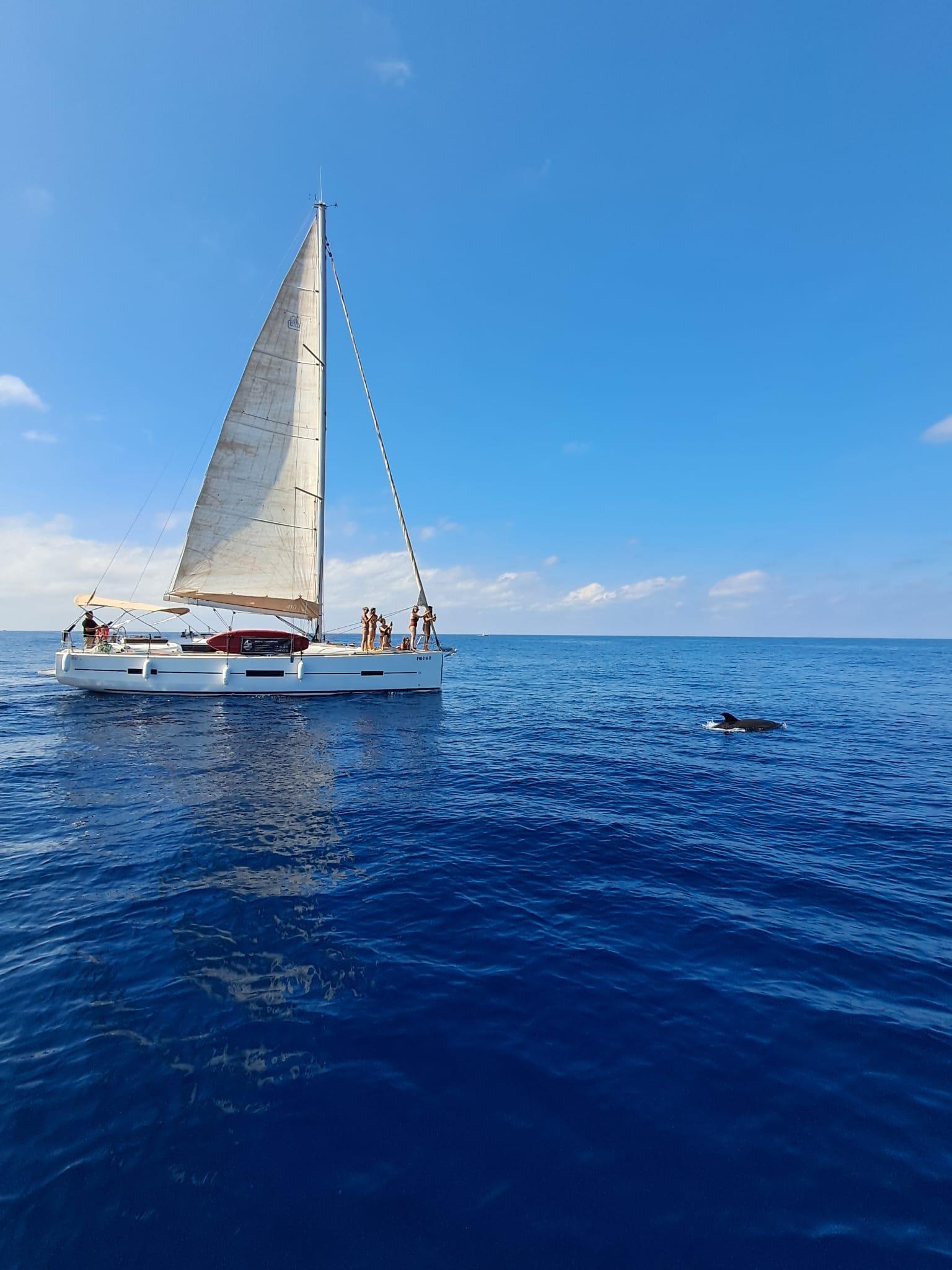
Cruise the Costa del Sol aboard a traditional sailboat with drinks, snacks, and ocean activities included
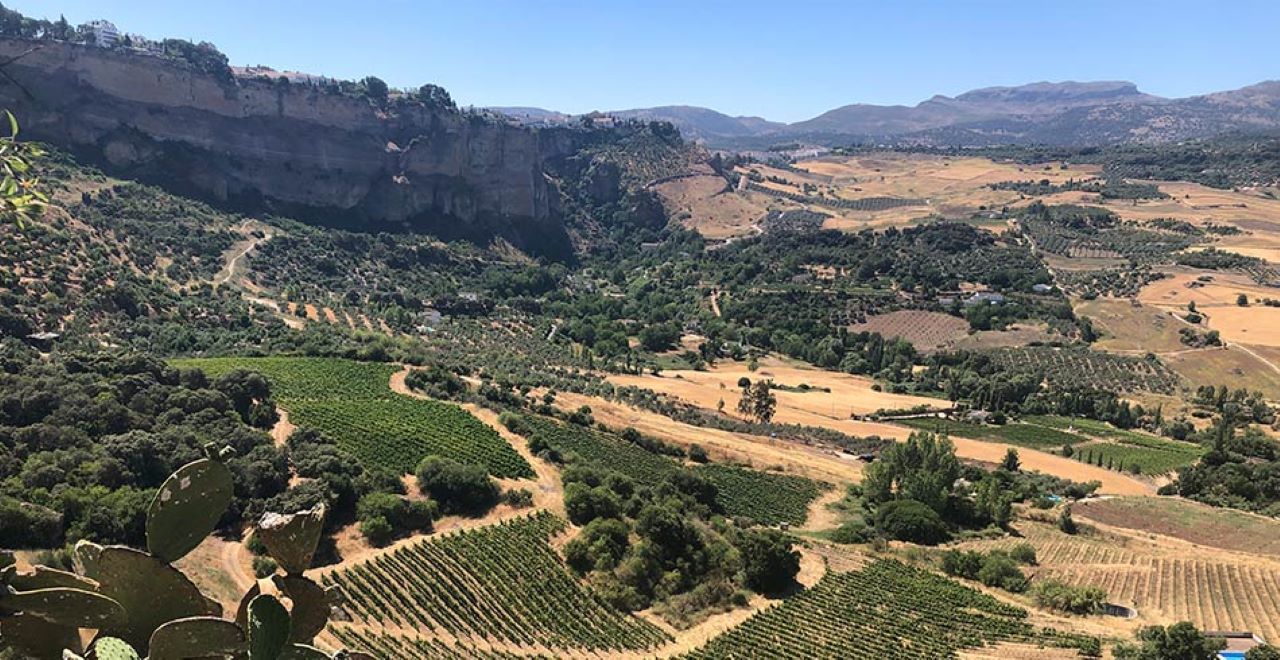
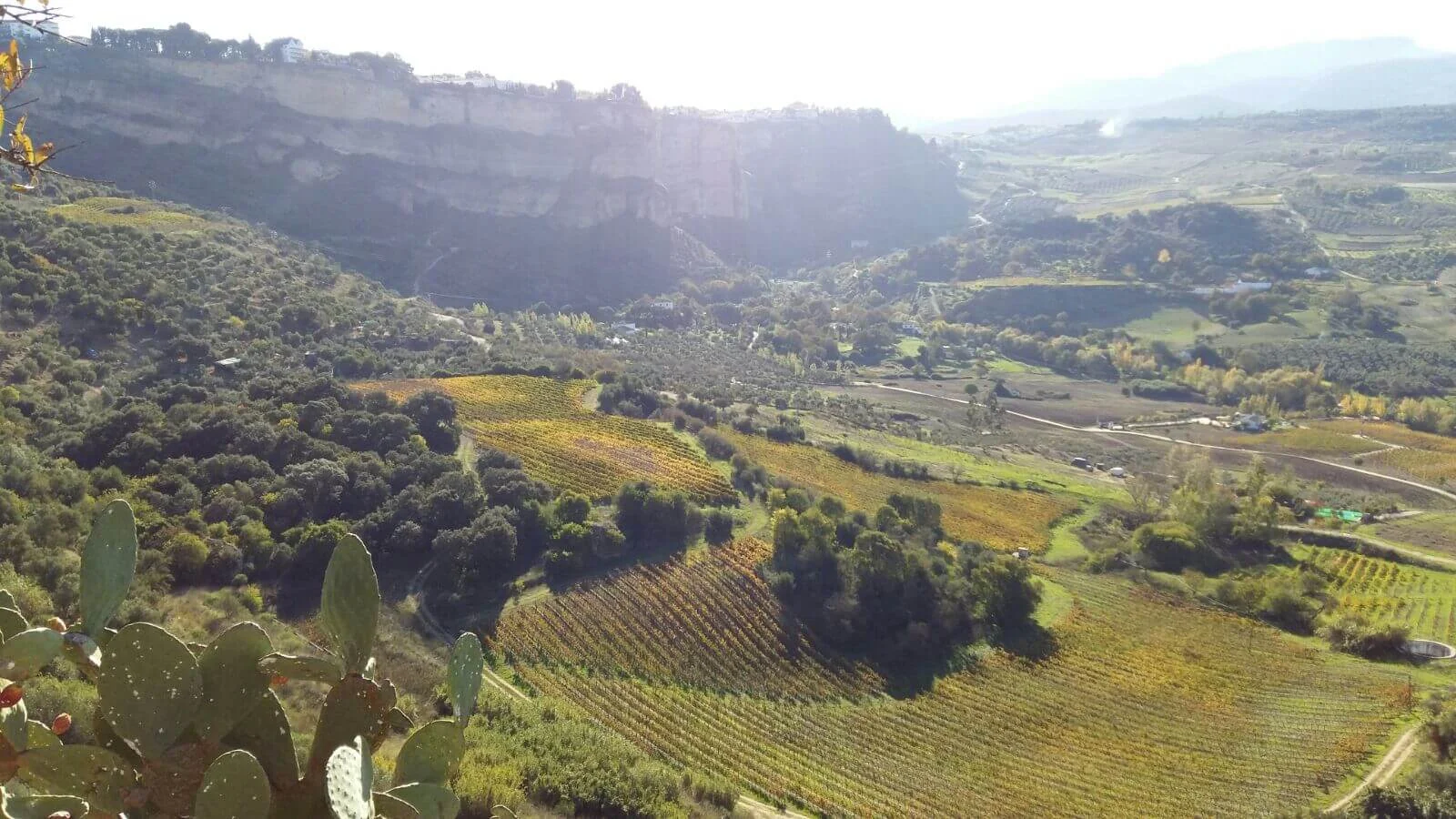
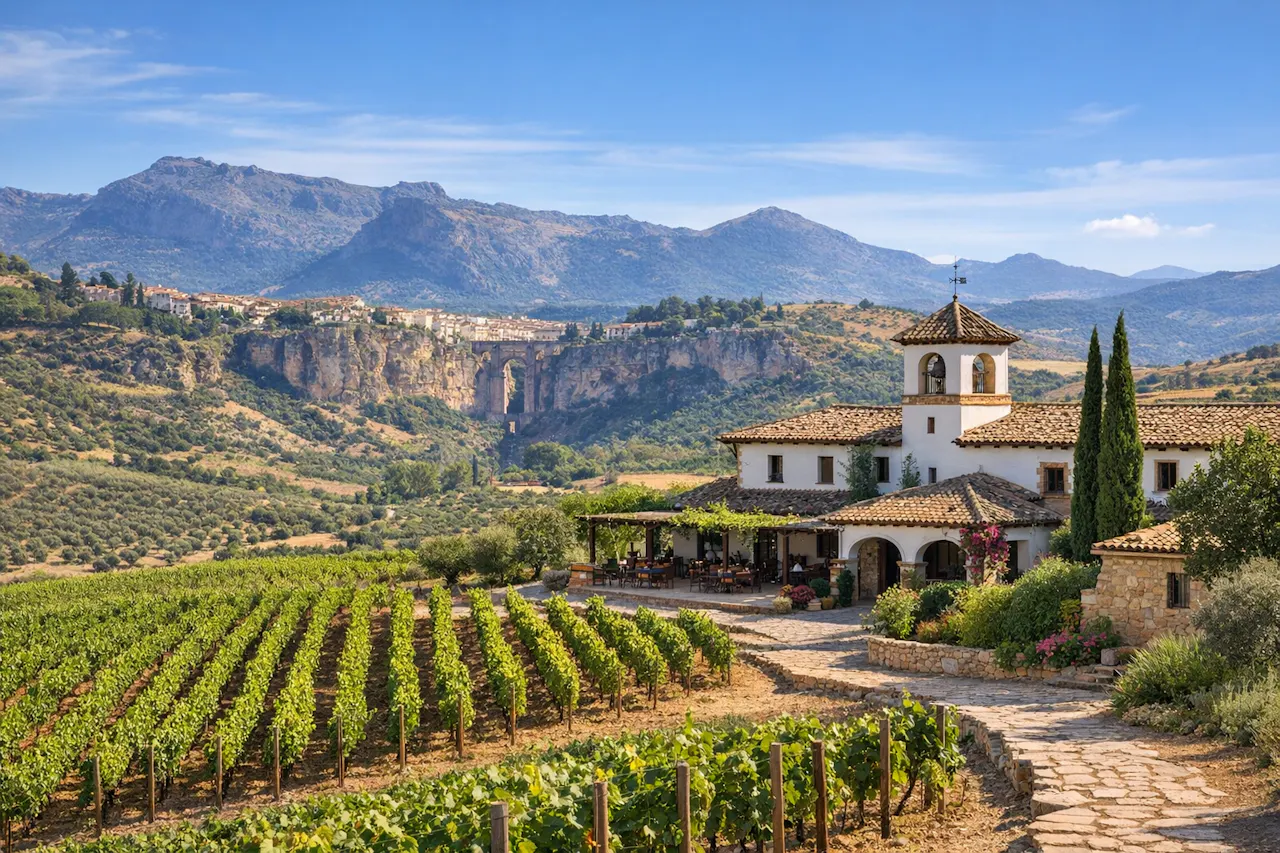
You leave Marbella mid-morning, joining a small group for the drive north into the Serranía. The road climbs through switchbacks, passing whitewashed villages clinging to hillsides, until the landscape opens onto terraced vineyards framed by distant peaks.
At the first estate, you walk rows of Syrah vines heavy with fruit, the winemaker pointing out the limestone cobbles that force roots deep and limit yields. Inside the cellar, French oak barrels line stone walls; you taste a young Petit Verdot straight from the barrel, its tannins still raw, then compare it to a three-year reserve with notes of black cherry and tobacco.
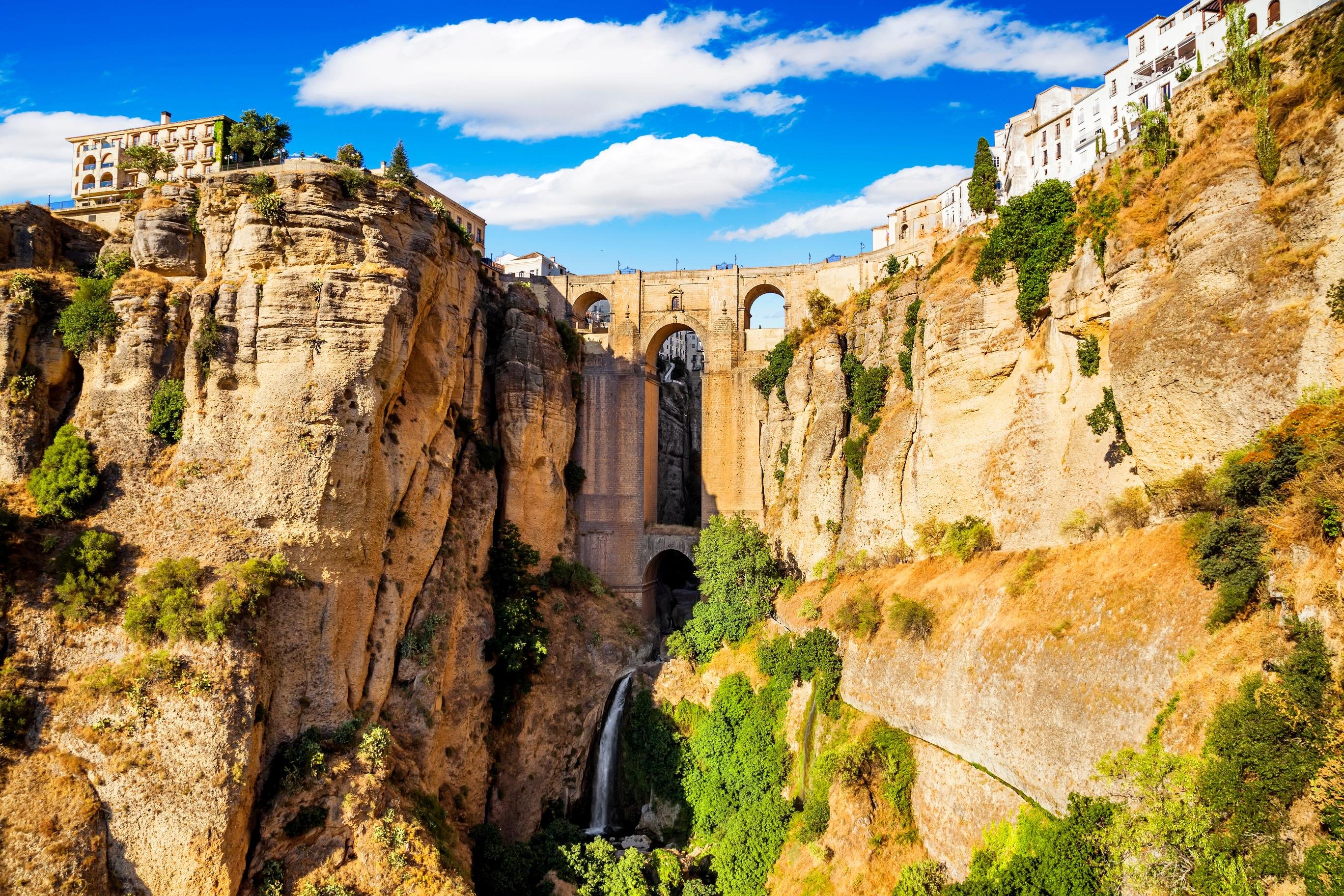
After the tasting, the group continues to Ronda's old town, where you have an hour to cross the Puente Nuevo and photograph the gorge dropping 120 metres to the river below. Lunch is often included, served at a terrace overlooking the valley. A second winery visit follows in the afternoon, this one smaller, with a family-run operation producing just 15,000 bottles annually. You finish a flight of five wines—two whites, three reds—paired with manchego and jamón ibérico. By late afternoon, you're back on the coast road, the Sierra de las Nieves receding behind you as the sun drops toward the sea.
All the details about your upcoming adventure in one place
The Serranía de Ronda produces some of Andalusia's most distinctive wines, grown at altitudes exceeding 700 metres where limestone soils and sharp temperature swings between day and night yield concentrated fruit.
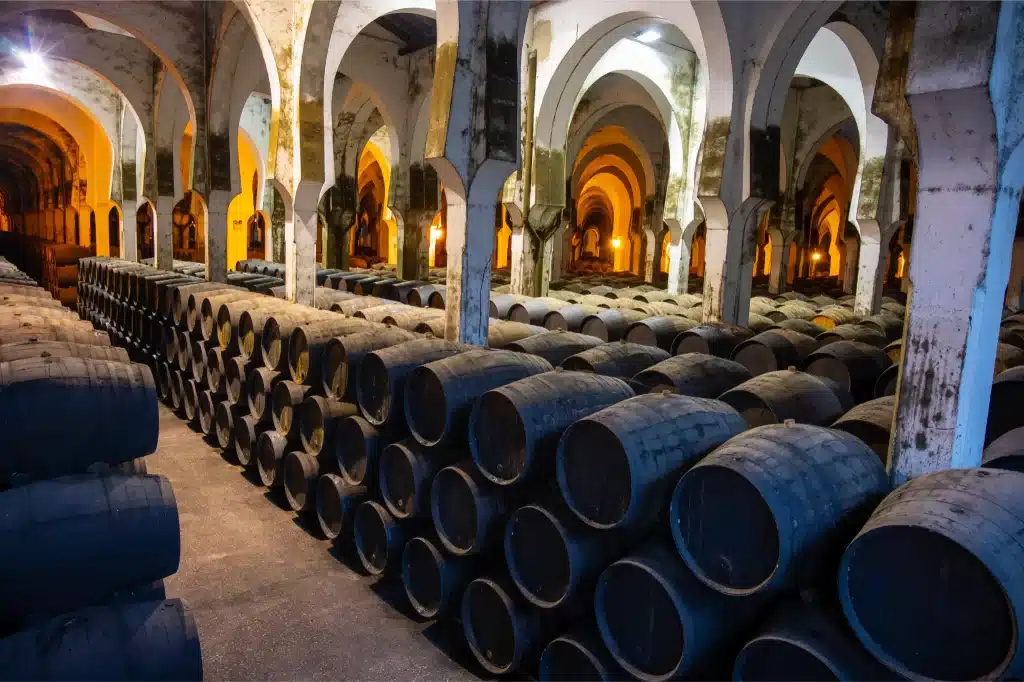
The region's viticultural revival began in the 1990s when a handful of growers replanted abandoned terraces with Petit Verdot, Syrah, and indigenous Romé varieties, reversing centuries of decline that followed the phylloxera epidemic of the late nineteenth century. Today, fewer than a dozen wineries operate in the appellation, most occupying converted cortijos with underground aging cellars carved into bedrock.
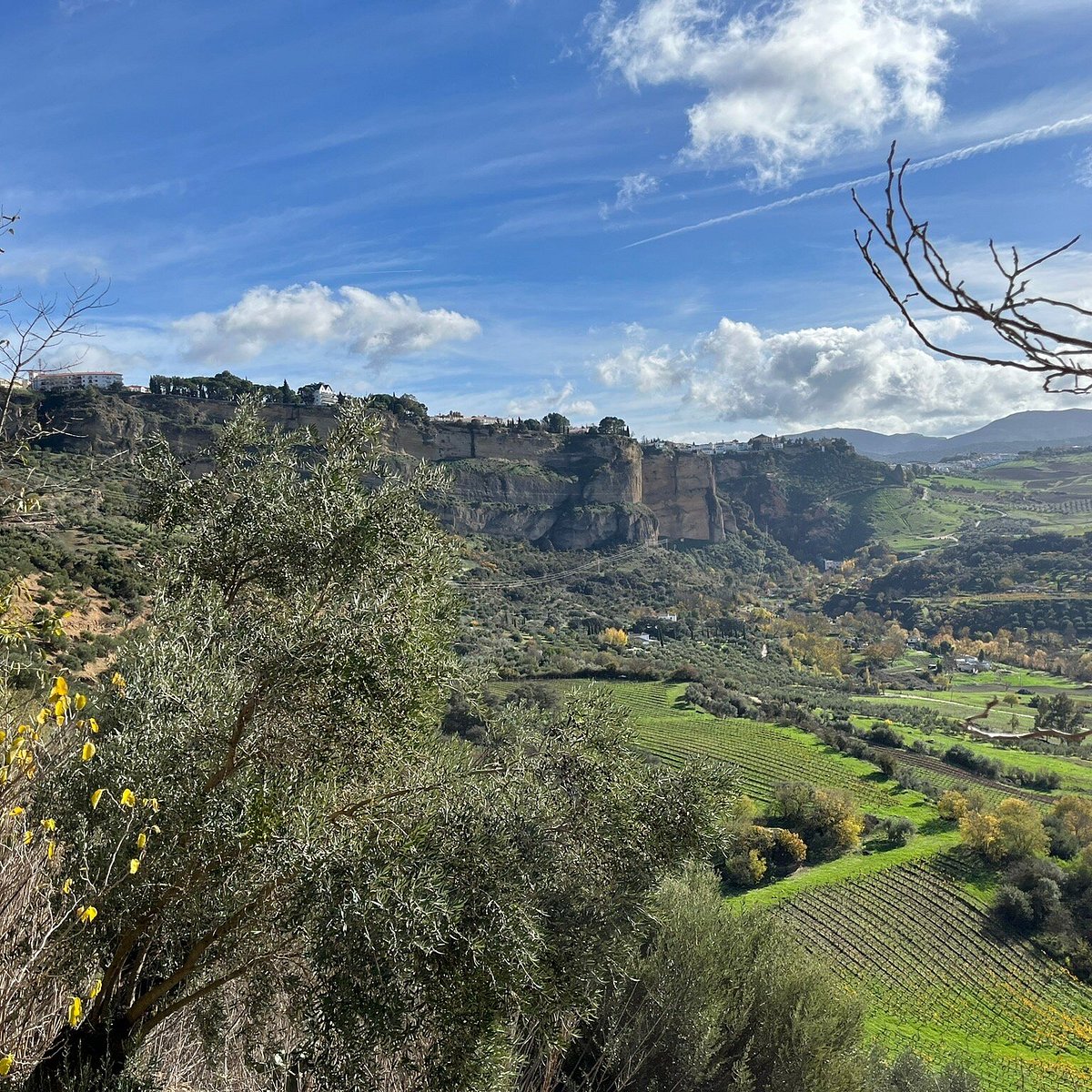
Ronda's position on the precipice of the Tajo gorge made it a natural fortress for successive Iberian, Roman, and Moorish occupants, but the surrounding valleys sustained agriculture that supplied the walled citadel. Vineyards have occupied the slopes of the Guadalevín and Guadiaro river basins since Roman times, though modern viticulture owes more to post-millennial investment than to historical continuity. The microclimate of the Sierra de las Nieves foothills—dry summers, mild winters, and persistent breezes—creates conditions that slow ripening and preserve acidity, a rarity in southern Spain. Winemakers here favour small-batch production and extended oak aging, resulting in structured reds that bear little resemblance to the lighter coastal wines of Málaga province.
A Ronda wine tour from Marbella crosses the A-397 mountain road, ascending through pine forests and white villages perched on ridges. Most guided excursions pair winery visits with time in Ronda's historic centre, where the eighteenth-century bullring and Puente Nuevo bridge draw crowds, but the vineyards themselves remain quiet even in high season. Estate tours typically include a walk through the vines, a cellar inspection, and a tasting of three to five wines, often accompanied by local cheeses and cured meats. Harvest runs from late August through October, when grapes arrive in small bins and fermentation tanks fill the cellars with the scent of must. Outside harvest, the experience centres on barrel-aging rooms and bottling lines, with winemakers explaining blending decisions and vintage variations. The return journey to Marbella takes roughly an hour, descending through olive groves and almond orchards as the Mediterranean coast reappears in the distance.

Fewer than a dozen wineries operate in the appellation, most occupying converted cortijos with underground aging cellars carved into bedrock.
Casual attire is recommended for a ronda wine tour from marbella, but sturdy walking shoes are advised for traversing vineyard terrain.
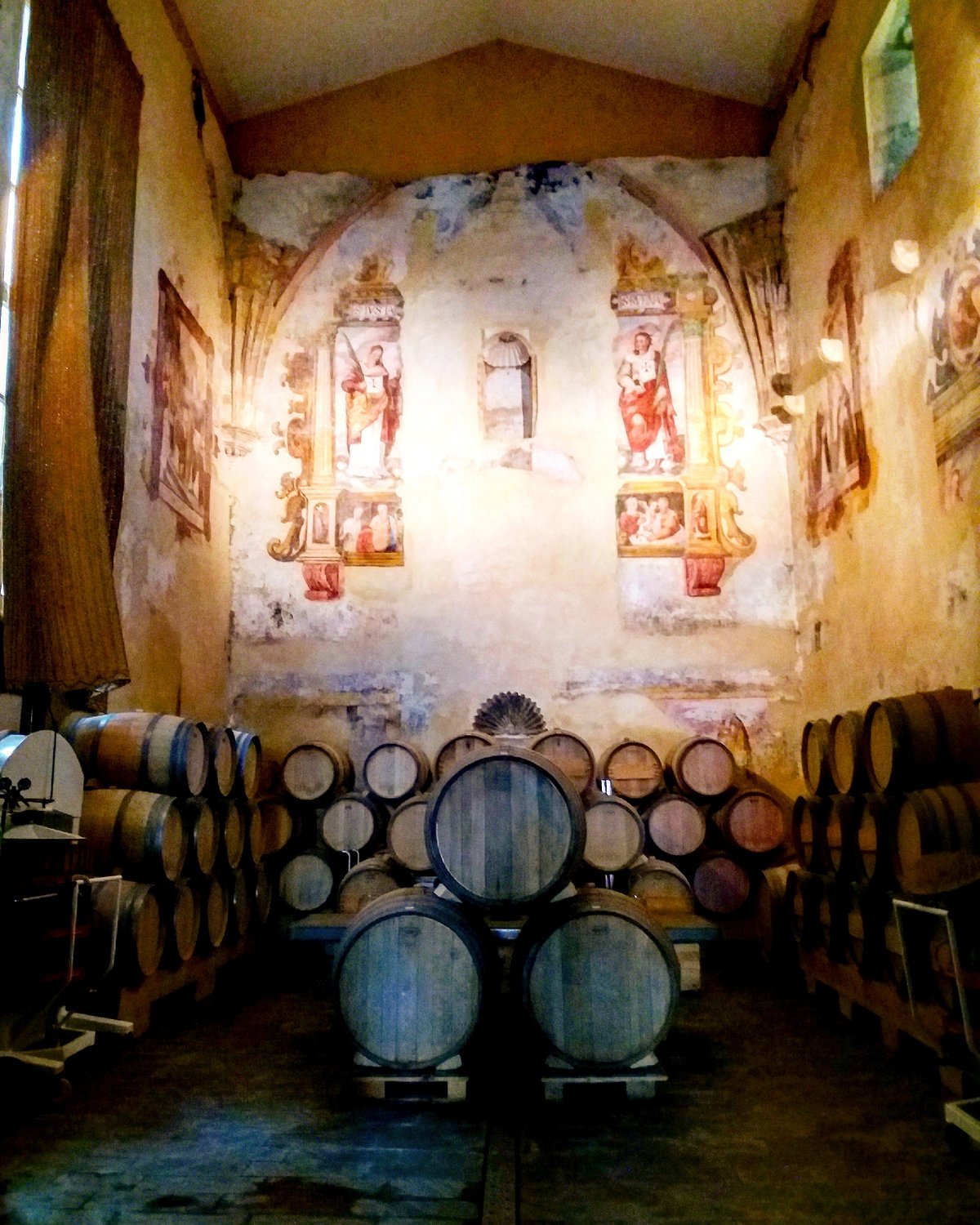
Personal items should be kept to a minimum during your ronda wine tour from marbella to ensure ease of movement through the historic monastery cellars.
Photography is permitted; capture the frescoes and landscapes during your ronda wine tour from marbella.
The property features gardens and history suitable for families, though a ronda wine tour from marbella typically focuses on adult-oriented tastings.
The site is located in a historic convent; consult the operator before booking your ronda wine tour from marbella regarding specific mobility limitations.
A typical ronda wine tour from marbella includes a guided tasting; additional dining can be found in nearby Ronda town center.
Opening Hours
Mon–Fri 09:00–15:00
Address
Partido de Los Molinos, 29400 Ronda, Málaga, Spain
Guided Access
Small groups booked in advance
Best arrival
09:00–14:00
Navigation
Follow signs to Partido de Los Molinos
Tours must be scheduled and booked in advance. Please contact the winery directly for specific refund terms regarding the 25 EUR minimum per person fee.
Recommended time
2-3 hours
Planning a ronda wine tour from marbella requires careful timing to ensure you experience the local viticulture before the doors close at 15:00. Arriving within the 09:00–14:00 window allows for a relaxed pace while touring the vineyards and participating in a guided tasting for 25 EUR. Selecting an early slot for your ronda wine tour from marbella tours helps avoid the midday heat and ensures a more intimate look at the production process. Those securing ronda wine tour from marbella tickets early in the day will find the atmosphere tranquil as they explore the estate grounds and cellar facilities.
Crowd levels through the day
Ronda's wine heritage stretches back to Roman colonization in the first century BCE, when legionnaires planted vines across the Serranía de Ronda's limestone terraces. The Moors expanded cultivation between 711 and 1485 despite Islamic prohibitions, using grapes primarily for table consumption and medicinal syrups. After the Christian Reconquista in 1485, monastic orders replanted vineyards with European varietals, and by 1650 Ronda exported barrel-aged reds to Cádiz and Seville through mule trains descending the Tajo gorge. The phylloxera plague arrived in Málaga province in 1878 and devastated Ronda's vineyards by 1891. More than ninety percent of the region's vines died within a decade. Farmers abandoned viticulture for cereal crops and livestock, and by 1920 only scattered family plots remained. The Spanish Civil War and subsequent autarky under Franco further eroded wine production, leaving Ronda without a commercial winery until the late twentieth century. Revival began in 1999 when the Descalzos Viejos estate replanted native varietals including Petit Verdot and Syrah on volcanic clay soils near the Guadiaro River. The Sierras de Málaga Denominación de Origen, established in 2001, provided regulatory framework for quality-focused producers. Today's ronda wine tour from marbella itineraries showcase these post-phylloxera estates, where altitude between 700 and 900 meters produces concentrated fruit with balanced acidity. Descalzos Viejos opened its cellar door in 2006, offering guided tastings that connect visitors to the region's agricultural renaissance. Modern winemakers blend traditional techniques with temperature-controlled fermentation, producing limited-production bottles that honor Ronda's viticultural past while competing in international markets.
Roman settlers establish the first vineyards across Ronda's limestone plateaus, exporting amphorae of wine through Hispania Baetica trade routes.
Moorish farmers maintain grape cultivation for table use and medicinal purposes despite religious restrictions on alcohol production.
Ronda's barrel-aged red wines reach peak export volume, transported by mule caravan to Atlantic ports in Cádiz.
Phylloxera aphid infestation destroys over ninety percent of Málaga province vineyards, forcing widespread agricultural abandonment.
Commercial winemaking ceases entirely in Ronda as farmers shift to wheat, olives, and grazing livestock during decades of economic hardship.
Descalzos Viejos estate replants native varietals on volcanic soils, marking the beginning of Ronda's modern wine renaissance.
Sierras de Málaga Denominación de Origen establishes quality standards and geographic protections for high-altitude Andalusian wines.
Descalzos Viejos opens its visitor center and tasting room, creating the foundation for contemporary ronda wine tour from marbella experiences.
Stand in the center of the former convent to capture the juxtaposition of historic stone architecture and lush climbing vines. This area provides a quiet setting for your ronda wine tour from marbella photography.
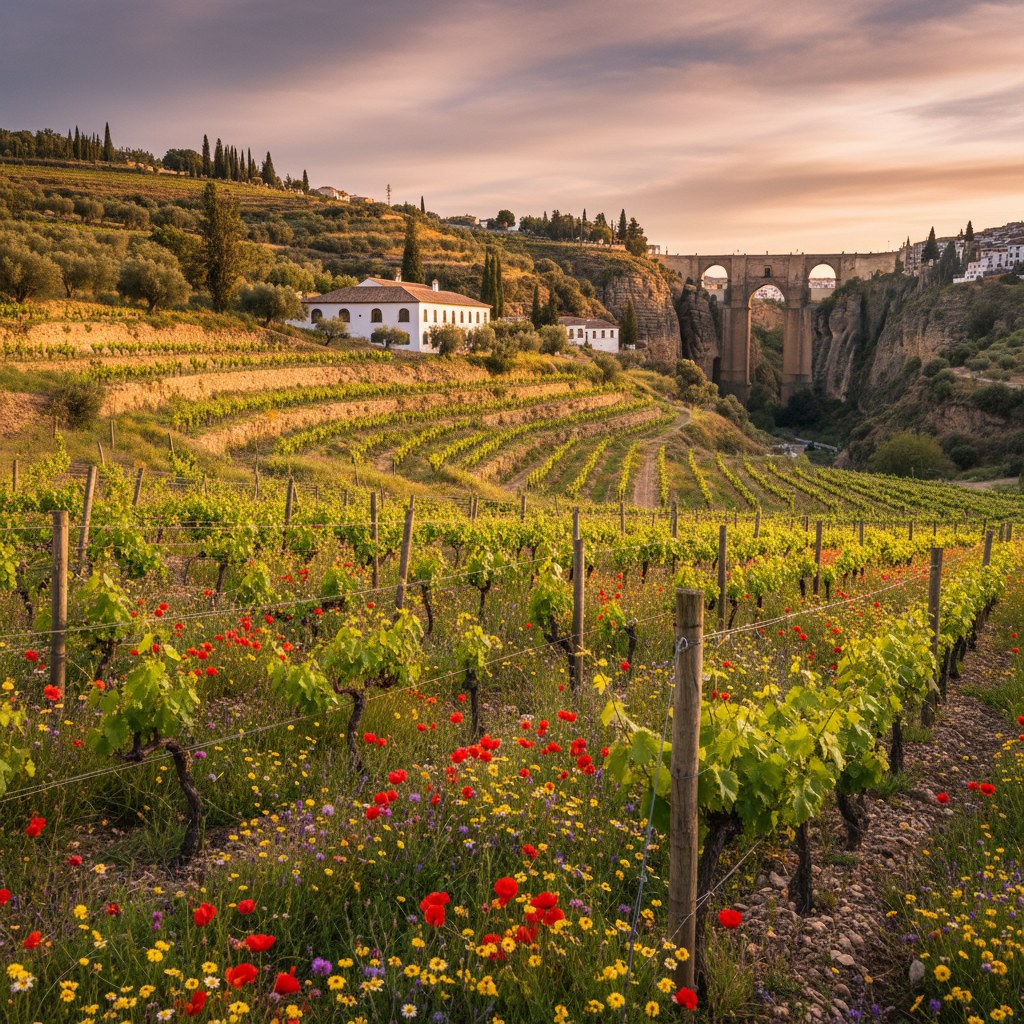
Position yourself at the edge of the terraced vines looking toward the Ronda cliffs to frame the vines against the dramatic mountain backdrop. This elevated vantage point highlights the unique terroir of the region.
Capture the rustic textures and aged wooden barrels inside the subterranean storage area. This location offers excellent depth and dramatic shadows for those seeking ronda wine tour from marbella tickets to explore the production process.
Walk to the stone wall perimeter to photograph the sweeping valley vistas beyond the estate gardens. This spot is popular for visitors on a ronda wine tour from marbella tour who want to document the landscape.
Planning a ronda wine tour from marbella involves traveling to the scenic vineyards of Ronda, where the open landscape provides a relaxed setting for families. While the grounds are expansive, navigating this historic estate requires preparation to ensure a smooth experience for parents and children alike.
The vineyard paths consist of natural terrain and garden walkways, so a sturdy stroller with all-terrain wheels is recommended for this ronda wine tour from marbella tour. Narrow corridors in older buildings may require parking strollers near the entrance during parts of the visit.
While there is no strict age limit, the environment is best suited for older children who can appreciate the agricultural setting rather than toddlers. Please note that the minimum price per person for basic guided winery tour and tasting is 25 EUR, which applies to all participants.
The location does not provide dedicated baby-changing stations, so ensure your travel kit is fully stocked before leaving your accommodation. Visitors are encouraged to plan their trip during the best arrival window of 09:00–14:00 to maximize comfort and accessibility.
Since operations are closed on Saturdays and Sundays, guests should secure their ronda wine tour from marbella tickets for a weekday visit. Families should aim to arrive within the morning hours when the site is quieter, as these Ronda landmarks offer a more manageable pace for young travelers.
Visitors planning a ronda wine tour from marbella will find limited on-site dining, so most travelers prefer to head into Ronda's town center for authentic Andalusian tapas. Exploring these nearby Spanish vineyards often pairs well with a stop at traditional taverns located just a short drive from the estate.
Located in the heart of the city, this Michelin-starred restaurant offers creative tasting menus featuring local ingredients. It is an excellent choice for those finishing their ronda wine tour from marbella tours with a high-end gastronomic experience.
A welcoming spot near the historic center serving classic regional plates like rabo de toro and local cheeses. It is ideal for a relaxed lunch after securing your ronda wine tour from marbella ticket.
Situated near the Plaza de Toros, this venue provides a casual atmosphere perfect for sampling local sherry and small bites. This stop complements any ronda wine tour from marbella tour by highlighting the depth of local viticulture and culinary traditions.
Everything you need to know for your journey
Bodegas Descalzos Viejos is open Monday through Friday from 09:00 to 15:00.
The minimum price per person for a basic guided winery tour and tasting is 25 EUR.
No, visits must be booked in advance as tours are for small groups.
Yes, visitors are encouraged to take photos of the historic site during their ronda wine tour from marbella.
The best arrival window is 09:00–14:00 to enjoy the morning light for photography.
Families are welcome, but the experience is primarily a wine-focused activity.
Tours are scheduled and typically last a few hours depending on the depth of the tasting program.
Parking is available at the estate, which is accessed via the gravel road near the intersection of C. Zahara de la Sierra.
Yes, the Puente Nuevo and the old bullring in Ronda are excellent additions to your day.
Join thousands of happy travelers who have discovered this incredible experience
Book Your Experience Now